find teaching ideas
Take a look at our LATEST CASE STUDIES
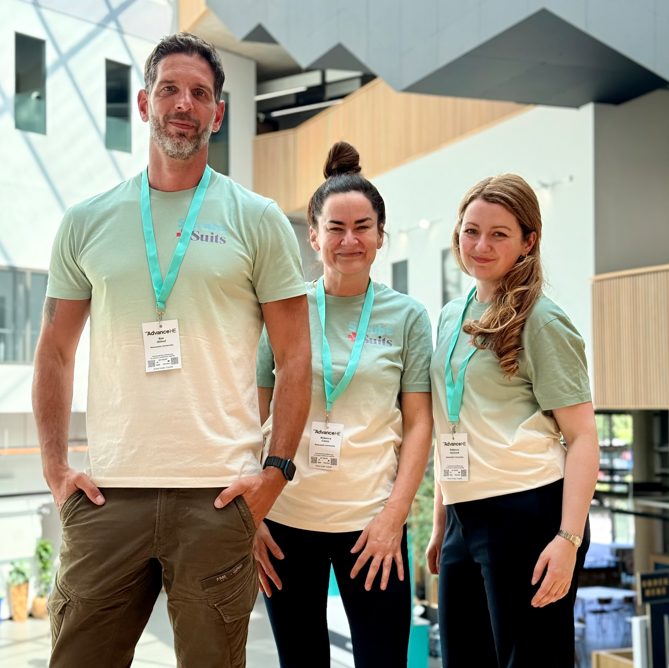
Scrubs and Suits: simulating hospital decisions
The Medical School teamed up with NUBS to create Scrubs and Suits, a collaborative tabletop simulation game, bringing healthcare and business students together, helping them explore ethical healthcare management, resource allocation, digital innovation and patient care.

Translating Complexity Through Alternative Assessments
Dr Kate De Rycker describes how she designed public-facing alternative assessments in Renaissance literature modules so students can demonstrate their ability to translate complex academic knowledge into real-world outputs such as theatre programmes, exhibition guides and teaching packs while retaining academic rigour through the inclusion of a rationale.

Assessing multi-discipline group projects in Engineering
Dr Kayvan Pazouki describes a Postgraduate engineering project where mixed-discipline teams collaborate over a year on a design task. Assessment covers both output and teamwork, with structured feedback, peer review, and individual contributions shaping final marks and skill development.

Reflective Oral Assessment in a Combined Honours Capstone
Reflective oral assessments in which students present a professional report based on research outputs developed in a final-year Combined Honours module in HaSS (HSS3099).
Professional conversations as authentic oral assessment in career development modules
This case study explores the design and use of Professional Conversations as an authentic oral assessment within credit-bearing career development modules, supporting reflective, work-related learning, and employability. Our challenge / opportunity Our 20-credit, year-long career development modules are structured around work-related learning, with a focus on personal and professional development, self-awareness, reflective practice, and skills Read more about Professional conversations as authentic oral assessment in career development modules[…]
Real-world enterprise challenges in Psychology
Dr Patrick RosenKranz discusses how the School of Psychology designed enterprise challenges with charities to help students apply psychological literacy to real community issues, develop employability skills, and see how their subject knowledge can make a difference beyond professional psychology careers.

Embedding overseas research mobility into the curriculum
Dr Carys Watts explains how embedding short overseas research projects into the curriculum gives bioscience students a structured, supported and equitable way to experience international research without committing to a full semester or year abroad.
CultuRACE: Embedding Cultural Competence Across the Curriculum
CultuRACE is a longitudinal, embedded pedagogical framework that uses playful, experiential, and reflective approaches to support culturally responsive practice, enabling students to engage safely and progressively with culture, power, bias, and professional responsibility.
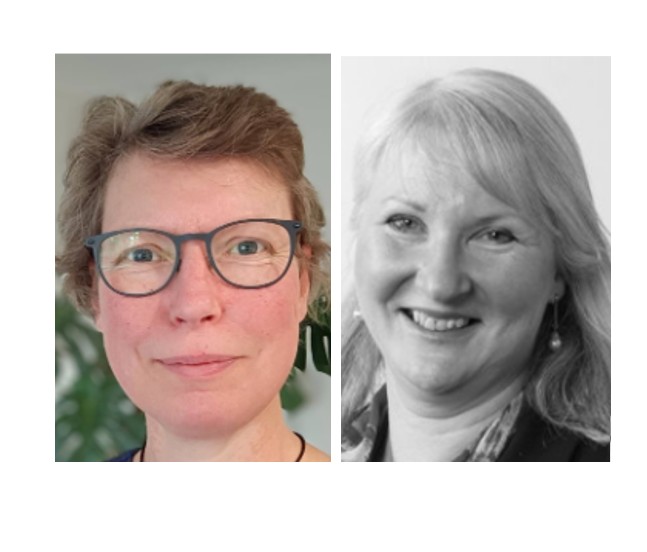
Assessing Collaborative Projects in Business Subjects
In the Business School, Gill Holden and Fiona Thompson use peer assessment to ensure fairness in group projects.
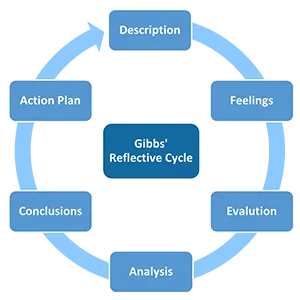
Using a Peer-based Reflective Supervision Model to Support Learning
Jennifer Dodds-Vigouroux explains using a reflective learning framework supports students to develop self-awareness, critical thinking and problem-solving skills and provides a strategy for continuous learning and development. Implementing a peer-based reflective model enables students to learn more effectively.