
Real-world enterprise challenges in Psychology

Dr Patrick RosenKranz discusses how the School of Psychology designed enterprise challenges with charities to help students apply psychological literacy to real community issues, develop employability skills, and see how their subject knowledge can make a difference beyond professional psychology careers.

Embedding overseas research mobility into the curriculum

Dr Carys Watts explains how embedding short overseas research projects into the curriculum gives bioscience students a structured, supported and equitable way to experience international research without committing to a full semester or year abroad.

CultuRACE: Embedding Cultural Competence Across the Curriculum

CultuRACE is a longitudinal, embedded pedagogical framework that uses playful, experiential, and reflective approaches to support culturally responsive practice, enabling students to engage safely and progressively with culture, power, bias, and professional responsibility.

Using a Peer-based Reflective Supervision Model to Support Learning

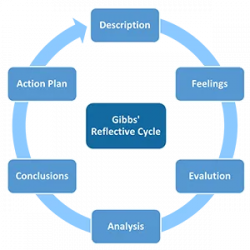
Jennifer Dodds-Vigouroux explains using a reflective learning framework supports students to develop self-awareness, critical thinking and problem-solving skills and provides a strategy for continuous learning and development. Implementing a peer-based reflective model enables students to learn more effectively.

Embedding Sustainable Development through interdisciplinary problem-based learning

Dr Amy Proctor and Michelle Black reflect on how they embedded interdisciplinary problem-based learning into the design of a new module in SNES to help students explore sustainability challenges, develop a broad understanding of the SDGs and develop collaborative experiences and essential skills for future careers.

Katie Wray

Using portfolios to capture competency and engagement beyond module assessment

Discover how Katie Wray, Senior Lecturer in Engineering, collaborated with colleagues from LTDS and FMS TEL to pioneer an innovative reflective portfolio approach that was used with first-year undergraduate engineering students.

A photograph of Dr Lucy Hatt

Concept Mapping: a novel way of evaluating student understanding

As part of a doctoral research study, Dr Lucy Hatt, a Senior Lecturer in NUBS, conducted concept mapping workshops across all years of an undergraduate entrepreneurship programme. This case study explains how the workshops enabled the evaluation of students’ understanding of entrepreneurship and discusses the benefits of concept mapping as a tool to help students and educators visualise the development of conceptual understanding.