Team Teaching in Geography: Building a Collective Approach to Programme Delivery
How structured team-teaching in the School of Geography supports curriculum resilience, and programme coherence.
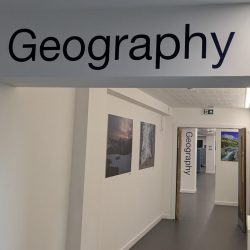
How structured team-teaching in the School of Geography supports curriculum resilience, and programme coherence.

Building professional competency in Public Relations by connecting academic learning with industry practice through client briefs, portfolio development, and reflective academic writing
The Sociology programme embedded a clearer Support to Study model, giving students flexible, personalised deadlines to support wellbeing alongside work pressures, improving student autonomy, mental health outcomes, and satisfaction, despite increased staff workload.

More than 130 Newcastle Law School students translate theory into action by getting involved in one of several pro-bono /community-based projects. The projects are wide ranging, from delivering awareness raising sessions through the Street Law Project, to other social justice-based initiatives with various partners which allow students to participate in live-client advice and research campaigns. Read more about Street Law: Bringing Legal Education to Newcastle Community[…]
Dr Cong Zhang, Lecturer in Phonetics and Phonology in ECLS, discusses embedding authentic, engaging, and practical digital literacy skills into phonetics learning through interactive tools, online assessments, and creative multimedia projects.
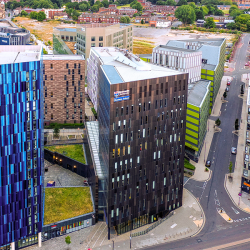
Dr David Grundy used the Lecturer Oversight and Verification of AI (LOV AI) Co-Creation Approach with ChatGPT o3 Deep Research and expert supervision to to produce extended case studies, concise summaries, and a suite of derivative teaching materials.

Loiana Leal, Lecturer in Modern Languages, worked with the LTDS Digital Exams Team to introduce digital exams using Inspera in a Portuguese module—co-creating authentic assessments with students to improve marking, feedback, and the overall experience.

PGR colleagues Jerome Ruddick and Elly Polignano designed a wellbeing workshop to tackle mental health issues within academia for PGRs both within Newcastle’s History, Classics and Archaeology department, and beyond, in other northern universities.
In this case study Jerome discusses how a hands-on, creative pottery making activity became a highly successful part of the workshop, creating a calming environment providing mental and physical respite, allowing PGR students to disassociate from their own thoughts, engage with their peers, and practice self-evaluation by engaging with wellbeing questions on a deep level.

Dr David Grundy, Director of Digital Education Newcastle University Business School Faculty of Humanities and Social Sciences What did you do? I was part of the Learning Analytics Pilot who were using the Jisc platform, Data Explorer, to have data-informed conversations with my students about their progress and support. I usually have four meetings a Read more about Looking Beyond the Data – Using Student Learning Analytics as a Conversation Starter[…]

Dr John Holton, Senior Lecturer in Ancient History, describes designing a poster assignment for his stage 2 module that builds and tests diverse skill-sets, promotes student engagement by enabling students to self-select and then personally research their choice of topic, resulting in students showing an increased assessment confidence and unusually high engagement with the task.