Team Teaching in Computing
Dr Jennifer Warrender discusses how the School of Computing have utilised Team Teaching across multiple modules.

Dr Jennifer Warrender discusses how the School of Computing have utilised Team Teaching across multiple modules.

Discover how a flexible, adaptable 3-week summer project focusing on science communication can enhance bioscience students’ academic and professional skill gains, placement attainment rates, confidence, as well as provide a transnational educational opportunity.

Dr David Hope reflects on using ArcGIS StoryMaps as a summative assessment for a second-year undergraduate module and offers practical advice and inspiration for colleagues interested in the potential of this digital tool as a form of authentic assessment.

Dr Cong Zhang, Lecturer in Phonetics and Phonology in ECLS, discusses embedding authentic, engaging, and practical digital literacy skills into phonetics learning through interactive tools, online assessments, and creative multimedia projects.
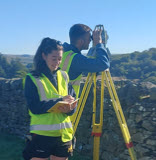
Dr Henny Mills, Senior Lecturer in the School of Engineering discusses creating inclusive groups and supporting collaboration in Civil Engineering.

Dr David Grundy used the Lecturer Oversight and Verification of AI (LOV AI) Co-Creation Approach with ChatGPT o3 Deep Research and expert supervision to to produce extended case studies, concise summaries, and a suite of derivative teaching materials.

Dr Cristina Navarro Reguero and Dr Matthew Hopkinson designed CHEMmunicate, a fun team game where students draw chemical structures by asking yes/no questions—boosting communication skills and reinforcing organic chemistry knowledge.

Loiana Leal, Lecturer in Modern Languages, worked with the LTDS Digital Exams Team to introduce digital exams using Inspera in a Portuguese module—co-creating authentic assessments with students to improve marking, feedback, and the overall experience.

Discover how Katie Wray, Senior Lecturer in Engineering, collaborated with colleagues from LTDS and FMS TEL to pioneer an innovative reflective portfolio approach that was used with first-year undergraduate engineering students.

Jo Clark (NUBS) describes working with MBA students to deliver a consultancy project, using the social value model, adding authenticity and contemporary relevance to academic theory, testing students’ skills as business consultants, and delivering value to a client organisation.